
Recognition can make a destination's night-sky commitment visible, but a designation is not automatically a visitor product. The strongest programs join protection, public education, practical access and reliable operations so the guest can experience the value that the standard protects.
The global network shows that darkness is a managed asset
DarkSky International reports more than 270 certified International Dark Sky Places across 22 countries, protecting more than 160,798 square kilometres. The program includes communities, parks, reserves, sanctuaries and urban night-sky places.
Certification is based on more than a naturally dark location. It requires quality outdoor lighting, policy, public education and ongoing stewardship. Parks are expected to provide dark-sky programming, which makes interpretation part of protecting the resource rather than an unrelated commercial extra.
Hospitality now has a specific operating standard
DarkSky Approved Resort guidelines bring the same idea to accommodation. A candidate must demonstrate an exceptional dark-sky resource, identify sensitive habitat, minimize light pollution, give guests regular nighttime access and provide educational or outreach material about night-sky conservation.
The guidelines include measurable requirements. A resort must show sky quality of at least 20.5 stellar magnitudes per square arcsecond or sit within a qualifying designated area. It must adopt a lighting management plan, document fixtures and progress from at least 67 percent lighting compliance at application to 80 percent within two years and 100 percent within five years.
Certification is an operating commitment
Approved resorts submit annual reports covering sky quality, lighting compliance and outreach activity, with recertification every five years. These requirements make an important business point: a dark-sky claim has to survive daily decisions about pathways, buildings, events, guest communication and maintenance.
That rigor can strengthen a destination story because the claim is tied to visible practice. It also means certification should not be pursued as a badge detached from budgets, responsibilities and long-term lighting work.
Responsible astrotourism has six linked duties
DarkSky International's principles call on operators and destinations to use light responsibly, protect the natural environment, support resident well-being, honor local and First People cultures, follow local regulations and foster sustainable economic growth.
Together, the principles prevent a narrow version of astrotourism that extracts a view while ignoring the place. Local guides, community partnerships, appropriate consent, wildlife-aware operations and locally retained spending are not peripheral considerations. They determine whether growth protects or erodes the resource and community that make the experience possible.
Programming closes the gap between standard and guest
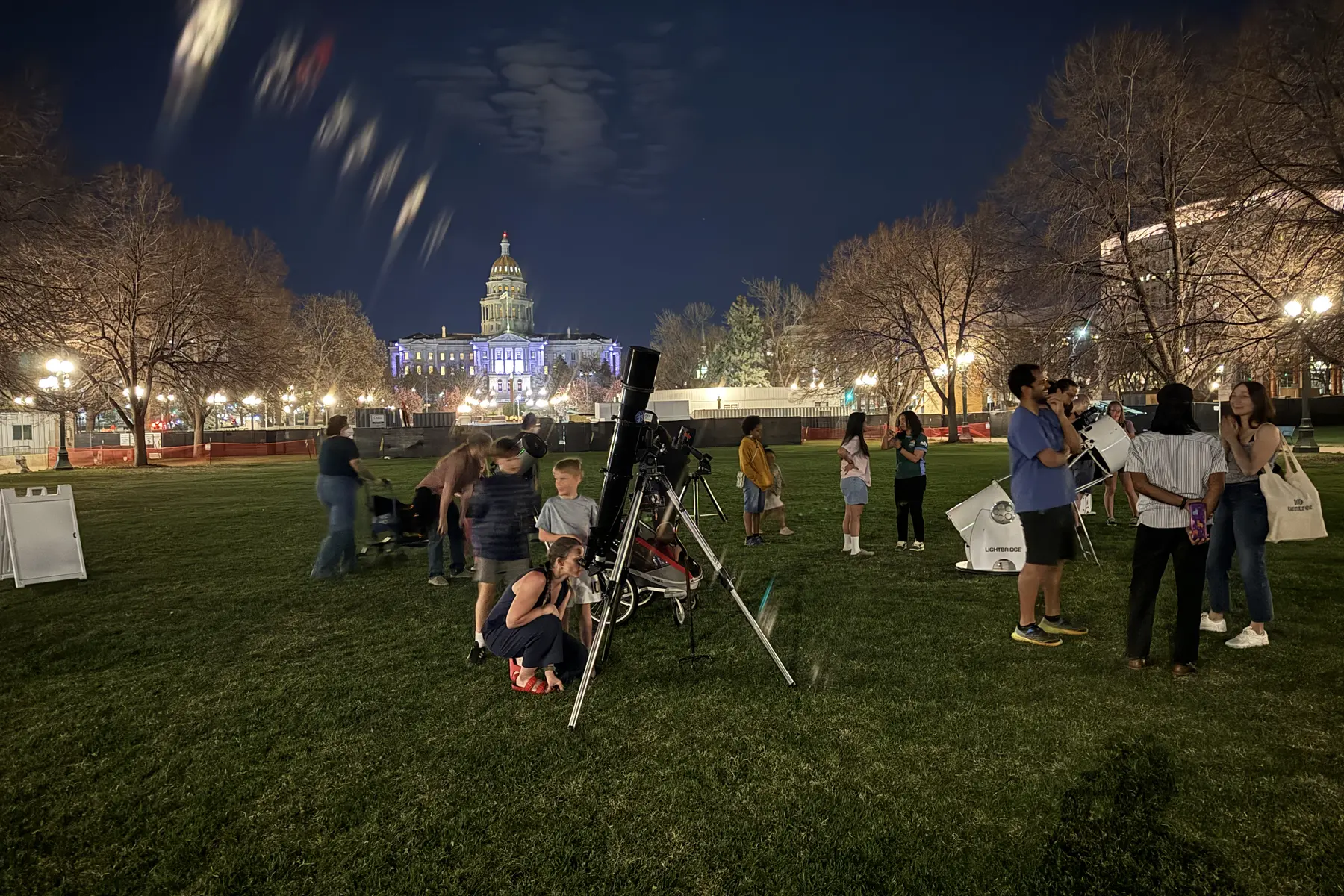
A bookable program gives visitors a practical way to encounter the destination's stewardship. It can explain the lighting design, orient guests to the sky, connect celestial cycles to the landscape and set respectful behavior after dark. Clear timing, trained staff, accessible equipment and a weather plan turn that interpretation into a reliable experience.
Neither certification nor a program guarantees revenue. The combination creates a stronger test: the destination protects a scarce asset, offers a credible way to experience it and measures whether guests respond through bookings, stays, satisfaction and support for ongoing conservation.
For destination teams
4 practical takeaways
- 01Treat darkness as an asset that needs active management.
- 02Budget for lighting, habitat, reporting and education before seeking recognition.
- 03Build resident, cultural and environmental responsibilities into the product.
- 04Use programming to make stewardship tangible, then measure guest response.
References
Original sources
Program counts and protected area come from DarkSky International's current International Dark Sky Places page. Resort criteria come from the published approval guidelines. Responsible-tourism duties come from DarkSky International's 2024 principles. None of these sources claims that certification guarantees commercial return.
Current network scale, place categories and certification purpose
Sky quality, habitat, lighting, guest access, education and ongoing reporting criteria
DarkSky International's six-part framework for community, culture, environment and economic benefit