
Astronomy does not need a separate, inflated market-size claim to make a commercial case. It can be evaluated as part of the established tours, activities and attractions economy, where visitors already buy guided, timed and place-specific experiences.
The relevant market is already large
Research reported by Arival and produced with Phocuswright estimates global gross bookings for tours, activities and attractions at $271 billion in 2025. The same work forecasts $342 billion by 2029.
The forecast compound annual growth rate is 8 percent from 2023 to 2029, compared with 5 percent for travel overall. Those figures cover the wider experience economy, not astrotourism alone. That is precisely why they are useful: a destination astronomy program competes for the same visitor time, attention and spending as food tours, wildlife outings, cultural activities and outdoor adventures.
Distribution is moving online
The report says online channels represented 17 percent of experience bookings in 2019 and projects 42 percent by 2029, with online travel agencies among the fastest-growing channels. A night-sky program therefore needs the basic infrastructure of a modern experience: a precise description, live availability, capacity, duration, meeting instructions, a weather policy and a booking path that works on a phone.
A destination can still sell through a concierge or front desk, but the product should not depend on a staff member explaining it from scratch every time. If guests cannot tell what happens, when it starts and what happens under cloud, the experience is not fully distributed.
A natural asset becomes valuable through packaging
Many destinations already have the raw ingredients: a darker horizon, an open lawn, a mountain deck, a beach, a desert landscape or simply underused evening hours. The commercial work is to convert those ingredients into a promise a visitor can understand and an operation a team can repeat.
That usually means choosing the audience, designing a beginning and end, setting capacity, matching equipment to throughput, training interpreters and creating a credible alternative for unsuitable weather. The sky changes nightly. The guest journey should still feel intentional.
The destination-choice claim needs attribution
The industry research argues that experiences increasingly influence where people choose to travel. It is a useful strategic view, not a universal causal result for every market. Destinations should test whether astronomy helps their own guests choose a stay, extend an itinerary or recommend the place afterward.
The most informative metrics sit beyond ticket revenue. Watch attachment to accommodation, private-group inquiries, food and beverage timing, repeat bookings, referral sources and whether the program fills periods that were previously quiet.
Growth does not rescue an unclear product
A fast-growing category still contains weak experiences. The market forecast cannot select a site, solve staffing or guarantee demand. It supports investing enough effort to build a testable offer, then comparing its performance with other uses of the same space and operating hours.
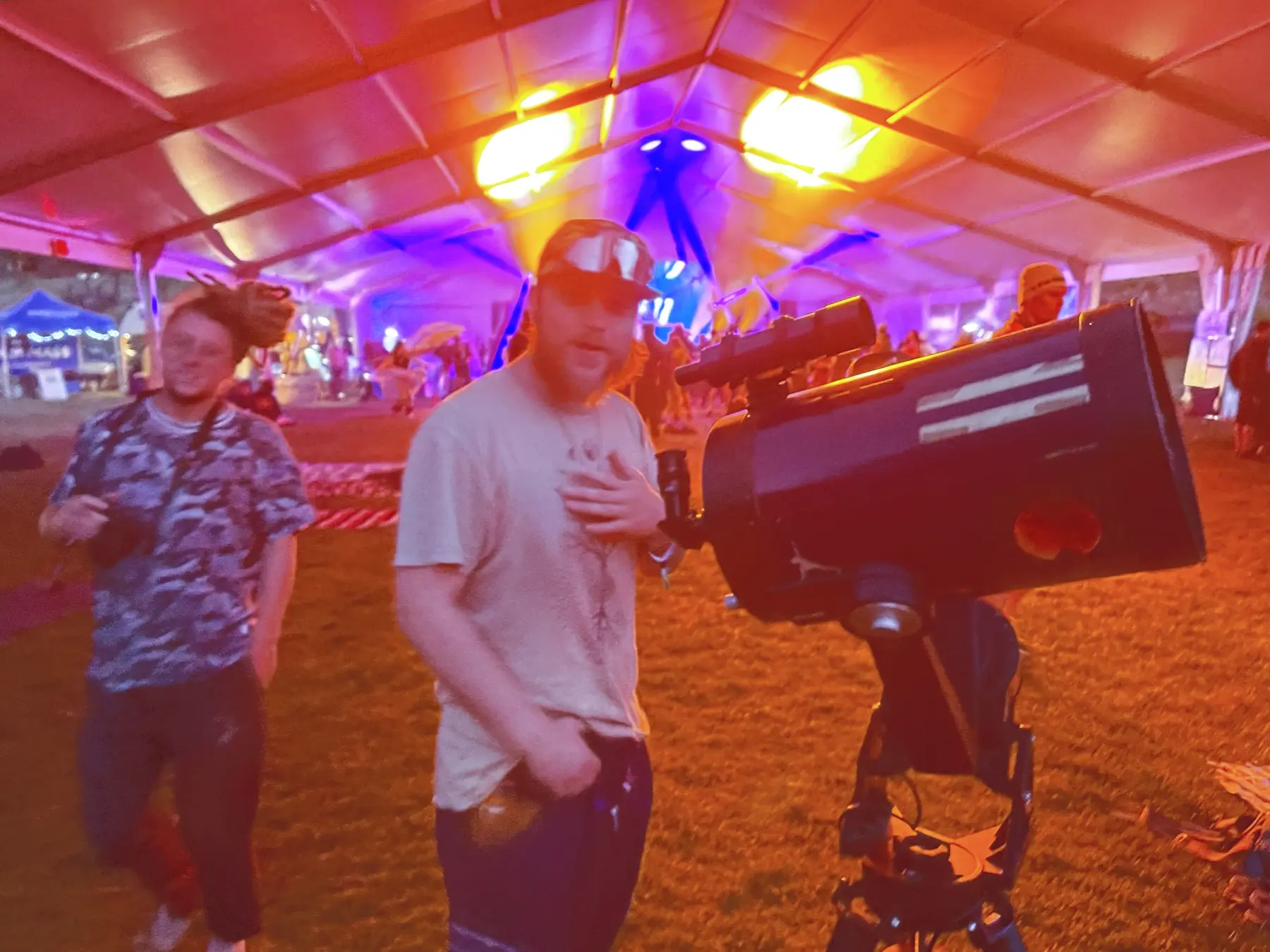
For many properties, a mobile pilot is the disciplined first step. It creates real conversion, capacity and weather data before a destination commits to a permanent observatory or a large equipment purchase.
For destination teams
4 practical takeaways
- 01Evaluate astronomy within the wider experiences portfolio.
- 02Make the program clear, scheduled and bookable online.
- 03Measure its effect on the whole visitor journey, not ticket sales alone.
- 04Use a mobile pilot before committing to major infrastructure.
References
Original sources
The market values and forecasts come from Arival's report on Phocuswright research. They describe the global tours, activities and attractions category, not a standalone astrotourism market and not the likely revenue of a particular program.